

Following an extensive research phase dedicated to the development of the necessary hardware components, QSM Diagnostics Inc. embarked on a visionary journey aimed at reshaping the pet healthcare landscape. Their goal was clear: provide veterinarians with advanced tools for diagnosing and monitoring bacterial infections in pets.
Their Windows-specific desktop application was instrumental in interfacing with their hardware diagnostic instrument, identifying bacterial infections, and generating comprehensive reports. However, the manual submission of reports by clients introduced delays and inefficiencies, hampered further by the localized storage of reports in PDF format within the desktop application. Operating exclusively offline with no server infrastructure further compounded operational challenges.
Recognizing the need for a more direct and streamlined approach, they aimed to modernize their technology for monitoring rapid and accurate pet diagnostics while ensuring accessibility to a broader audience of veterinarians.
With Measured’s wide range of products and services, there was a need to implement a solution that would ease out the same problems for multiple products at the same time and enable Customer Success teams to build custom dashboards out of the box.
When we first spoke to Edgar Goluch, the founder of QSM, in 2020, we recognized the incredible potential of their technology and sought to augment their capabilities.
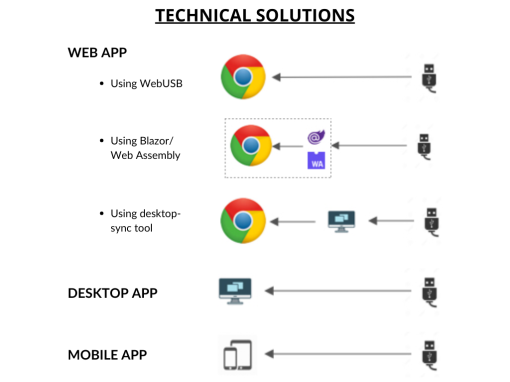
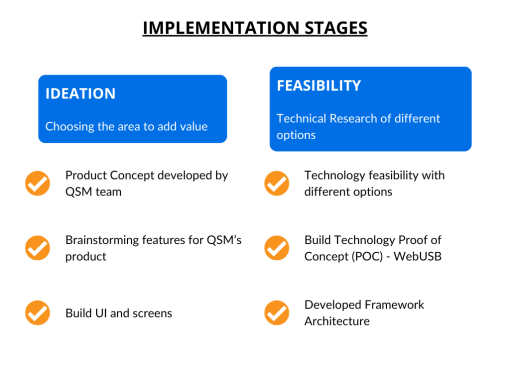
The journey commenced at the ideation stage, involving a meticulous evaluation of numerous technical solutions for seamless integration of hardware with software. We conducted technical feasibility with different options such as web applications using webUSB, Blazor/web assembly, desktop-sync tool; desktop applications; and mobile applications for the connection.
Understanding the role of USB connections, we ventured into web serial technologies, allowing direct instrument connectivity through web browsers, notably Chrome and Edge. This innovation prompted a shift to web applications, capitalizing on browser connectivity. We utilized “Web Serials” technology to build web applications, that directly connect with browsers. While this was initially uncertain, we conducted tests to confirm its feasibility.
Data collection was centralized, offering a one-stop repository for user information, pet type and age, pet owner details, clinics, and more. Updates were pushed automatically, allowing users access to the latest version without manual installations.
The process from ideation to feasibility spanned a mere 3-4 weeks. With QSM entrusting us as their exclusive tech team, we assumed full ownership and efficiently directed our efforts toward expediting the product’s market launch.
The transition from Windows desktop application to a web-based platform eliminated the need for app installation, enhancing user experience. The web app’s compatibility across multiple platforms with a unified codebase expanded its accessibility.
The direct and real-time transmission of reports from labs and diagnostics greatly mitigated delays and gaps within their operational workflows. It enabled access to critical information, allowing for swift decision-making and improved pet care.
Updates and optimizations were introduced in real time, reducing the need for manual intervention and ensuring that the app remains up-to-date.
Security gained more prominence, providing QSM with greater control over their product security, and safeguarding their IP.
Get in touch with us by filling in the form below and one of our experts will be in touch shortly.